TECHNOTHON 2026
A national innovation challenge aimed at solving the key
technological challenges in Deep-sea mining.
DIVE DEEPER
~6000 m beneath the ocean surface lies a vast reservoir of critical minerals with the potential to power the clean-energy transition.
ENGINEER RESPONSIBLE DEEP-SEA MINING
Advance technologies for environmentally responsible deep-sea mineral extraction through innovation, monitoring and sustainable engineering.
JOIN THE DIVE
Registrations open 3 August 2026.
Assemble your crew and solve the next generation of deep-sea mining challenges.
A National Innovation Challenge to engineer sustainable deep sea mining
Design sustainable, ecologically conscious technologies for exploring and utilising India's deep-ocean resources.
- 2
- Problem statements
- 2
- Award stages
- ₹1.2 Cr
- Cash awards
Shape the future of India's deep ocean programme
Technothon 2026 invites Industries, MSMEs, Startups, Incubation centres and Academic researchers to develop innovative engineering solutions for sustainable deep-sea mining and critical mineral exploration.
National platform
Present your work to scientists at NIOT and the Ministry of Earth Sciences.
Real-world problem
Address engineering challenges on India's Deep Ocean Mission.
Awards up to ₹1.2 Cr
A two-stage award structure up to ₹50 lakh per team at Stage II.
Your IP stays yours
IPR remains with participants. NIOT receives only an evaluation licence.
Two problem statements, one deep frontier
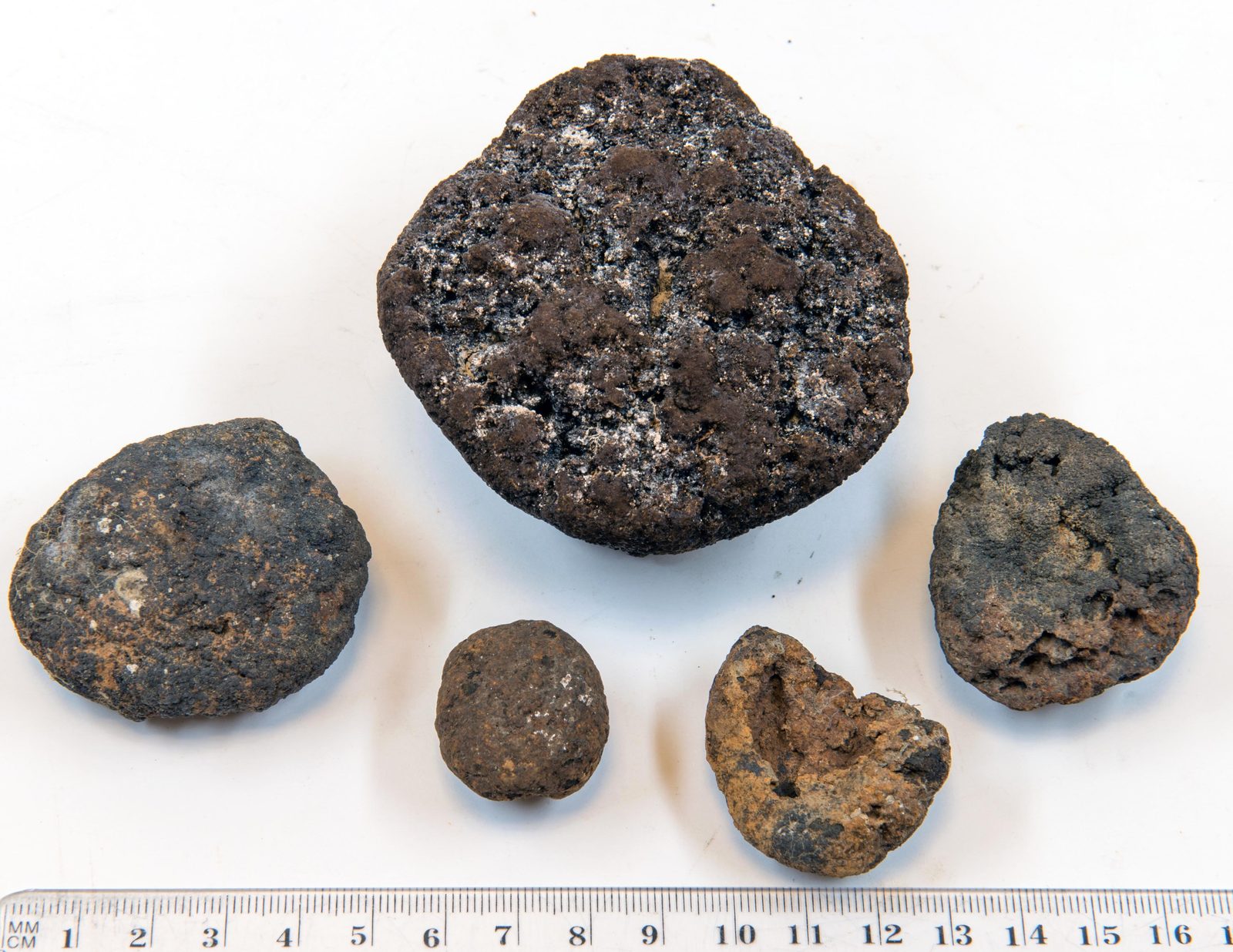
Collect polymetallic nodules from 4,500–6,000 m — with or without a vertical riser. Select a statement to explore what you'd be building.
Development of mining system with Innovative Impact less Nodule Collection System with Vertical Riser Transport
The conventional deep-sea mining architecture employs a tracked seabed collector coupled with a vertical riser and lifting system that transports nodules hydraulically or mechanically to a surface support vessel. While technically mature compared to other concepts, significant challenges remain in Collector efficiency, Sediment management, Hydraulic transport efficiency, Energy consumption, Reliability, System weight, Deployment logistics and Environmental footprint.
- Collector vehicle
- Pick-up mechanism
- Hydraulic collection head
- Mechanical collection head
- Nodule separation
- Water management
- Sediment rejection
- Intelligent navigation
- +7 more
Novel ideas beyond the above are encouraged.
Built for industry & research
Technothon 2026 is open to organisations and researchers with the capability to build and deploy deep-sea technology.
How the challenge unfolds
A two-stage journey from registration to milestone-wise fund release — each step a checkpoint on the descent.
Registration
Opening of Registration
03 Aug 2026Eligible organisations register their team and choose the problem statement(s) they wish to enter.
Proposal submission
Closing of registration for Proof of Concept
30 Sep 2026Submit your Stage-I proposal — a Proof of Concept with concept brief, schematics and feasibility.
Top 10 shortlisted
Announcement for in-person presentation to shortlisted candidates of Proof of Concept
15 Oct 2026The strongest proposals for each problem statement are shortlisted for in-person presentation.
PoC presentation
In-person / Hybrid presentation
23 Oct 2026Shortlisted teams present their Proof of Concept to the jury in person or hybrid mode.
Stage-I awardees announced
Announcement of shortlisted candidates of POC for the prize money of ₹5 lakhs
30 Oct 2026Up to four teams are selected as Stage-I awardees, each with a ₹5 lakh prize.
DPR submission
Closing date of DPR submission
30 Nov 2026Stage-I awardees prepare and submit a Detailed Project Report (DPR).
DPR evaluation
The Detailed Project Reports are evaluated by the technical committee.
Final winner announced
Announcement of the final winner
10 Dec 2026The Stage-II award winners are announced. Up to two teams receive ₹50 lakh each.
Agreement signing
Winning teams formalise the project agreement with NIOT.
Milestone-wise fund release
Project funds are disbursed against agreed development milestones.
Into the deep — six kilometres down
Under India's Deep Ocean Mission, NIOT is engineering the crewed submersible and the seabed machines that will explore the abyssal plains of the Central Indian Ocean — where polymetallic nodules rich in cobalt, nickel and rare earths rest under crushing pressure and perpetual dark.
Technothon 2026 opens that engineering frontier to you. Design the sensors, the sustainable collectors, the navigation and the life-support that make responsible deep-sea exploration possible.
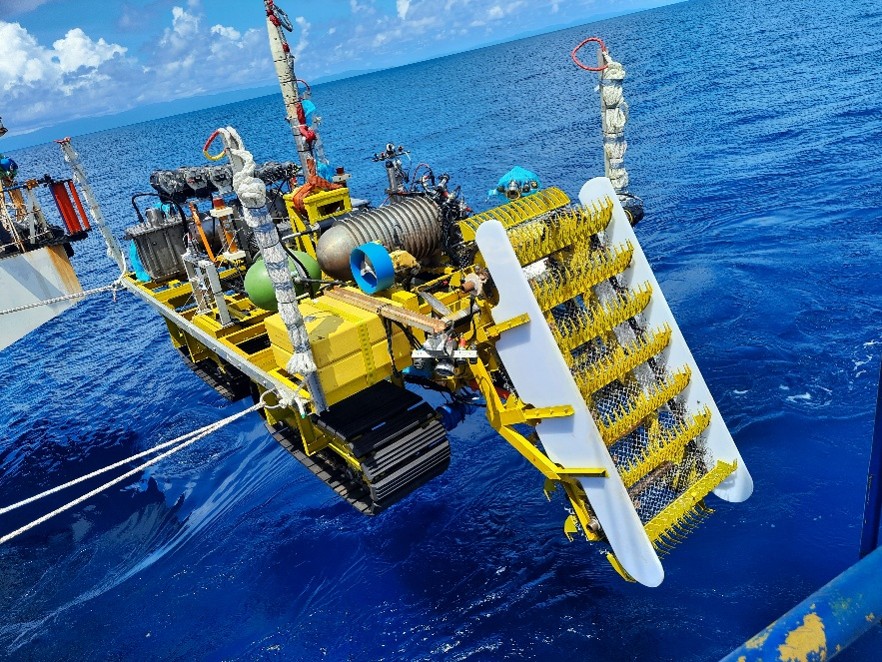
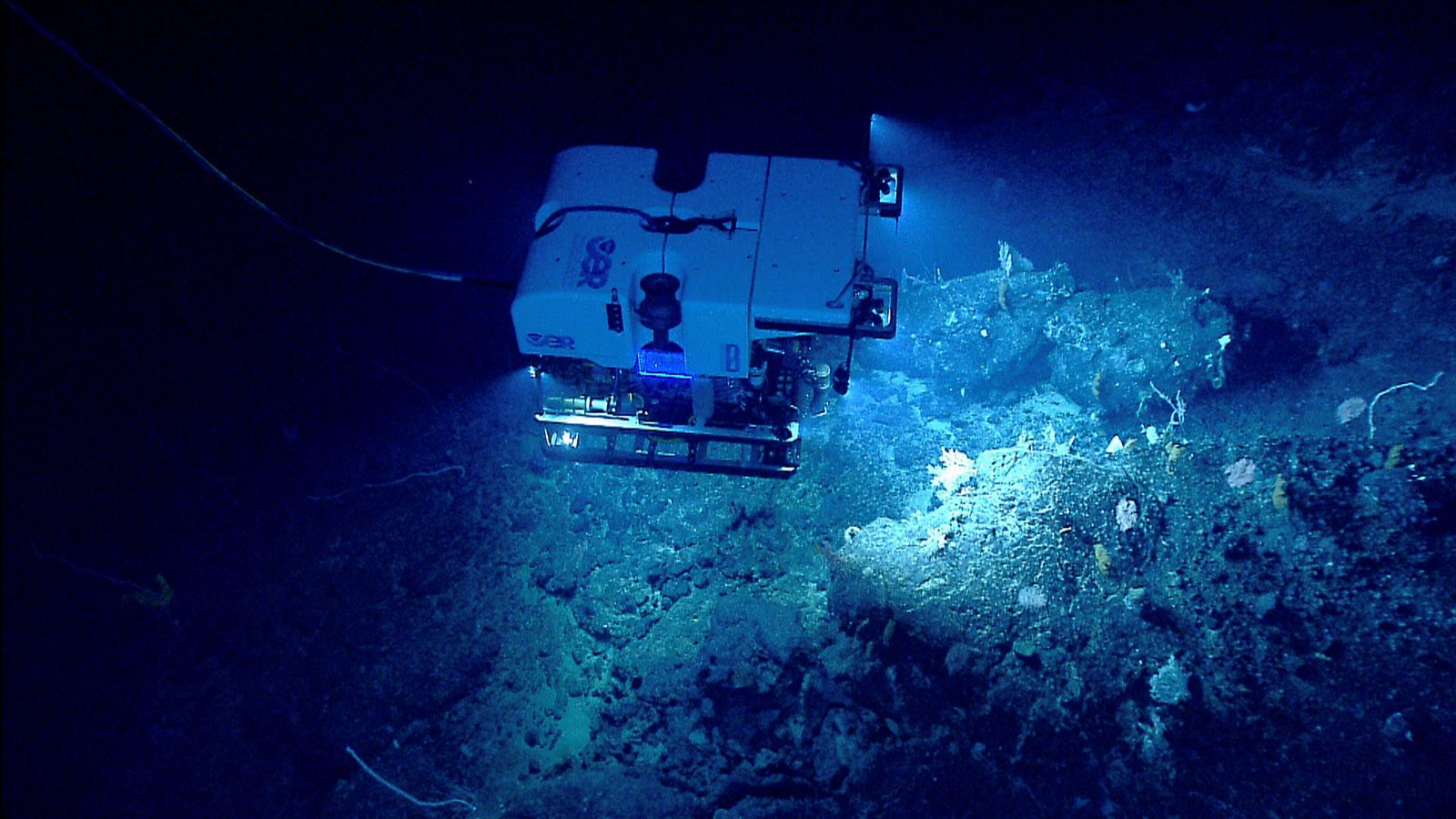
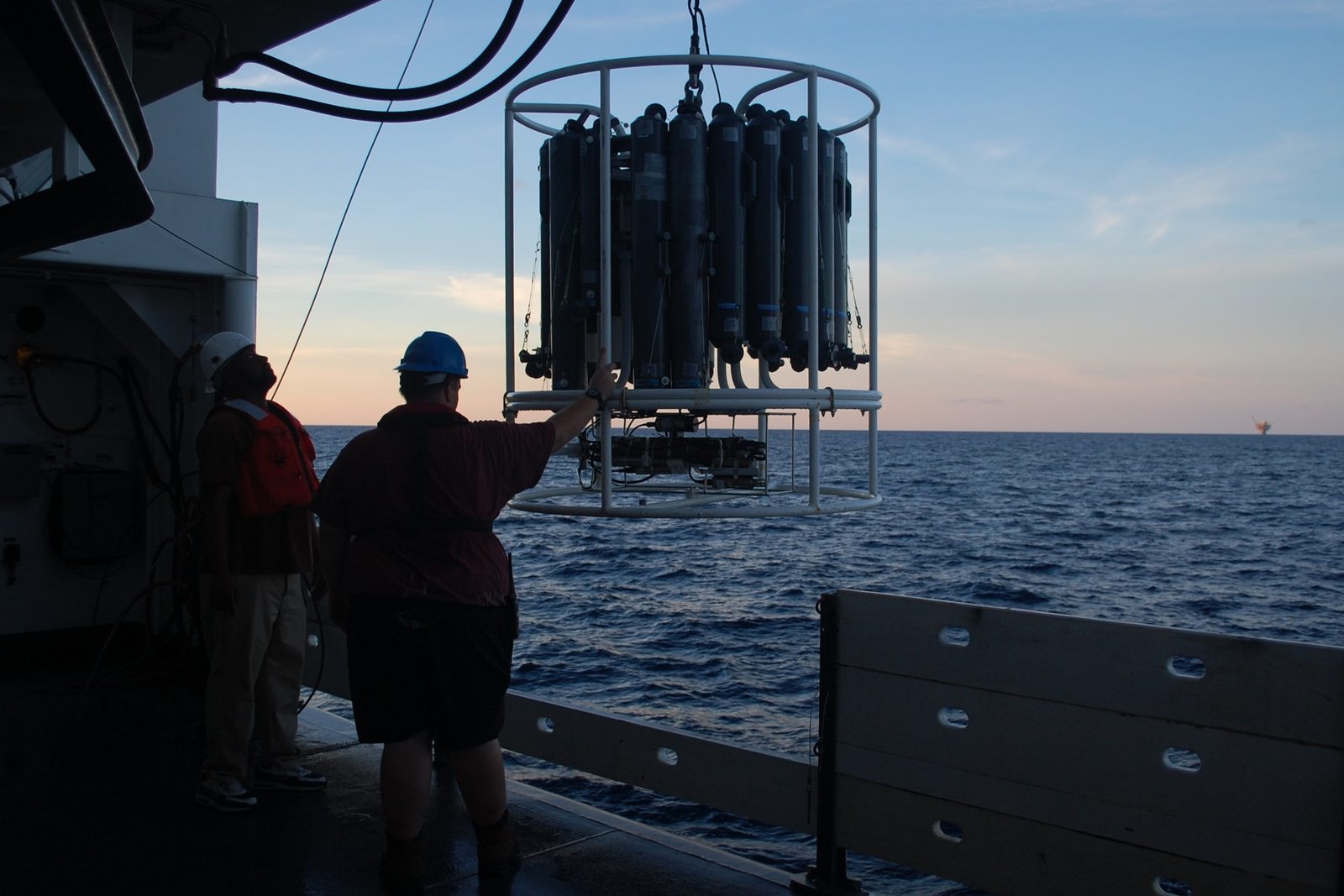
The technology you'll build on
Illustrative deep-ocean exploration imagery (Wikimedia Commons / NOAA).

Ready to submit your idea?
Team registration takes about 10 minutes. You can edit your submission until the deadline.